
I hired wrong for 3 years
Feb 20, 2026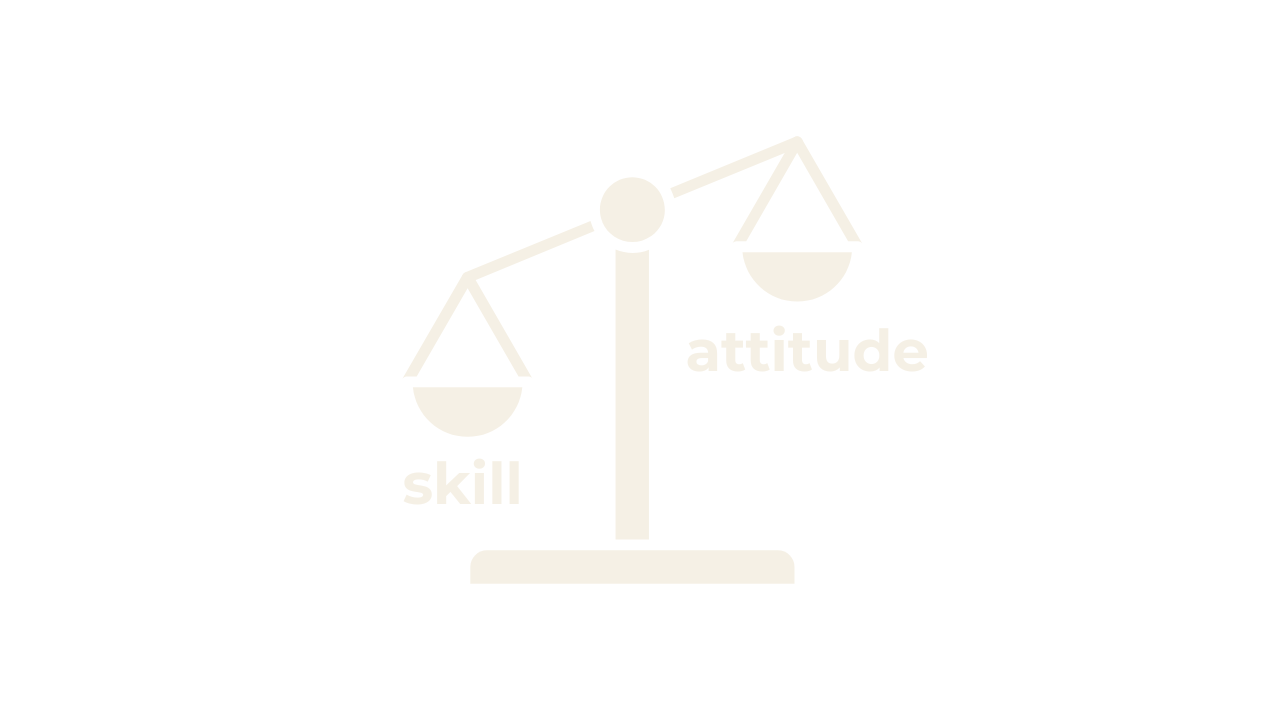
I hired wrong for 3 years.
I looked at CVs. Made lists of required skills. Got excited when someone had "10 years experience" or worked at a company I recognized.
Then I watched great resumes turn into mediocre employees. Again and again.
My worst hire was a senior sales guy from corporate. Impressive CV. Years of experience. Knew all the right buzzwords.
First month, he spent more time perfecting contract details than talking to customers. He thought through every possible scenario for the next five years. Edge cases. Legal clauses. Escalation procedures.
He never closed a single deal where that contract would matter.
Don't get me wrong—good contracts matter. But not more than actually getting customers. In a startup, you solve problems first. You optimize processes later.
That's when I realized the pattern.
Corporate hires think in processes. They play political games. They care about input—hours worked, meetings attended, documents created.
Startups need problem-solvers. People who care about output. People who do what it takes to get results, even when there's no playbook.
I don't care about your input. I only care about your output.
This matters even more now. Someone who can run 10 AI agents simultaneously and do the same work in 1/10 of the time? That person is infinitely more valuable than someone who "puts in the hours."
Output is all that matters. And output comes from attitude, not skills.
Here's what I learned:
Hire for attitude. Train for skill.
You can't teach mindset. But you can teach knowledge.
When someone has the right attitude but does a bad job—that's your fault. Fix your onboarding.
When someone has the wrong attitude and does a bad job—find someone else. You will never fix that.
So how do you spot attitude before you hire?
Get crystal clear on what you want. Write down your expectations. Not job requirements—expectations. What does success look like in 90 days? What behaviors matter? Be specific.
Communicate it in writing. Send your expectations to candidates before you interview. The right people will lean in. The wrong people will self-select out.
Test behavior, not knowledge. Ignore the CV. Watch how they act.
Here's my favorite test:
One of my team members calls applicants randomly. No scheduled time. Just a spontaneous call asking about their application. Why did you apply? What do you know about us? What are you working on right now?
More than 50% can't answer.
They don't remember who we are. They don't know what we do. They can't explain why they want this job.
That tells me everything about their commitment and ownership.
But sometimes—rarely—someone picks up and knows exactly who we are. They've researched the company. They have specific reasons for applying. They ask smart questions back.
That's the mentality I'm looking for. And I found it without asking a single question about skills, experience, or qualifications.
Skills can be learned. Knowledge can be trained. Attitude is who they are.
This week's action:
➡️ Write down your real expectations for your next hire. Not skills—behaviors. What does "great" look like in 90 days?
➡️ Before your next interview, send candidates a short note explaining what you're looking for. Watch who engages.
➡️ Try the random call test. Call an applicant unscheduled and ask why they applied. See what happens.
You'll learn more in 2 minutes than in a 1-hour interview.
All the best,
🌱 Tim
Author